


India’s vast and diverse educational landscape is on the cusp of significant transformation. Guided by the recommendations of the National Education Policy (NEP) 2020, the nation is preparing to roll out crucial reforms aimed at modernizing its schooling system. Among the most impactful changes slated for implementation are the introduction of a three-language formula from Class 6 by 2026 and the provision for two-level mathematics and science in Class 9. These shifts promise to reshape how students learn, communicate, and prepare for their futures, impacting millions of young learners across the country.
The Tripartite Language Approach: Fostering Multilingualism and National Integration
At the heart of the linguistic reform lies the renewed emphasis on the three-language formula, set to be fully implemented for students starting Class 6 in academic year 2026. This policy mandates the study of three languages: the mother tongue or regional language, Hindi (in non-Hindi-speaking states) or another modern Indian language (in Hindi-speaking states), and English. The objective is multifaceted: to promote linguistic diversity, enhance cognitive development, and foster a sense of national unity by encouraging communication across various cultural groups.
The NEP 2020 envisions multilingualism as a powerful tool for holistic development. By introducing the third language earlier, from Class 6, the aim is to ensure students develop a stronger grasp and fluency, moving beyond mere introductory exposure. Proponents argue that early exposure to multiple languages broadens cognitive horizons, improves problem-solving skills, and enhances cultural understanding. For a nation as linguistically rich as India, this approach seeks to celebrate and preserve regional identities while also facilitating broader inter-state communication.
However, the implementation of the three-language formula has historically faced complexities, particularly concerning the perception of Hindi’s imposition in certain southern states. Educational authorities are navigating these sensitivities, emphasizing that the choice of the third language in Hindi-speaking states is flexible, often allowing for a South Indian language, and in non-Hindi states, the focus is on a modern Indian language alongside the regional and English. The success of this reform will heavily rely on the availability of qualified teachers for all languages, robust curriculum development, and ensuring equitable resource distribution across schools.
“The three-language formula is not merely about learning languages; it’s about building bridges between cultures and preparing our children to be global citizens rooted in their Indian identity,” remarked Dr. Priya Sharma, a leading education policy analyst. “Successful implementation requires not just policy directives, but also grassroots efforts to ensure teacher training, resource creation, and community engagement.”
Differentiated Learning: Two-Level Maths and Science for Diverse Futures
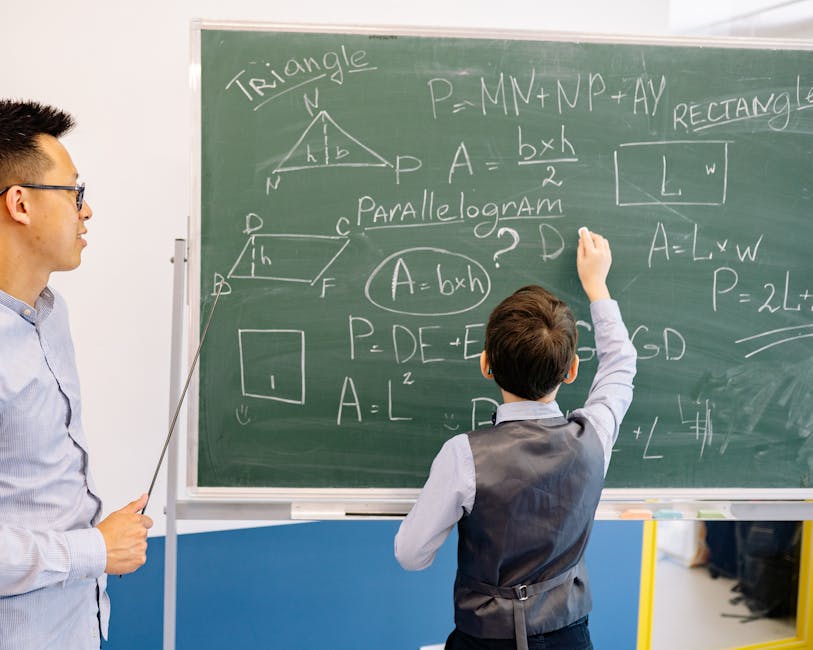
Parallel to the linguistic reforms, another significant change is the introduction of a two-level system for mathematics and science in Class 9. This innovative approach aims to cater to the diverse aptitudes and career aspirations of students, moving away from a one-size-fits-all model. Students will have the option to choose between a ‘Standard’ level and a ‘Basic’ (or equivalent for science) level for these subjects.
The ‘Standard’ level is designed for students who intend to pursue science, technology, engineering, or mathematics (STEM) fields in their higher education, offering a more rigorous and in-depth curriculum. Conversely, the ‘Basic’ level is tailored for students who may not wish to pursue STEM beyond Class 10 and are more inclined towards humanities, arts, or vocational courses. This option intends to reduce academic pressure, foster a love for learning by making subjects more accessible, and allow students to focus on areas aligned with their strengths and interests.
This differentiation is a welcome move for many educators and parents who have long advocated for a more flexible curriculum. It acknowledges that not all students possess the same aptitude for quantitative and scientific subjects, and forcing them through a uniform, demanding curriculum can lead to disengagement and stress. By offering a choice, the NEP 2020 aims to make learning more personalized and effective.
Naturally, the introduction of two levels raises important considerations. There is a need to ensure that the ‘Basic’ level is not perceived as inferior and does not inadvertently limit future academic or career options prematurely. Clear guidelines for progression to Class 11 and 12, depending on the chosen level in Class 9, will be crucial. Furthermore, maintaining the quality of teaching and resources for both levels will be paramount to the success of this reform, ensuring that all students, regardless of their chosen path, receive a comprehensive and enriching education.
A Holistic Vision for India’s Educational Future
These reforms, while distinct, are integral components of the broader vision outlined in the NEP 2020 – a vision centered on flexibility, critical thinking, experiential learning, and holistic development. By introducing multilingualism from an earlier age and providing differentiated learning paths in core subjects, India aims to create a more inclusive and adaptive educational system.
The journey towards full implementation by 2026 will undoubtedly involve challenges, from infrastructure development and teacher training to curriculum redesign and parental sensitization. However, the intent is clear: to equip Indian students with the skills, knowledge, and cultural grounding necessary to thrive in a rapidly evolving world. As these changes take root, they are poised to lay the foundation for a generation of learners who are not only academically proficient but also culturally aware and prepared for diverse career trajectories.

