


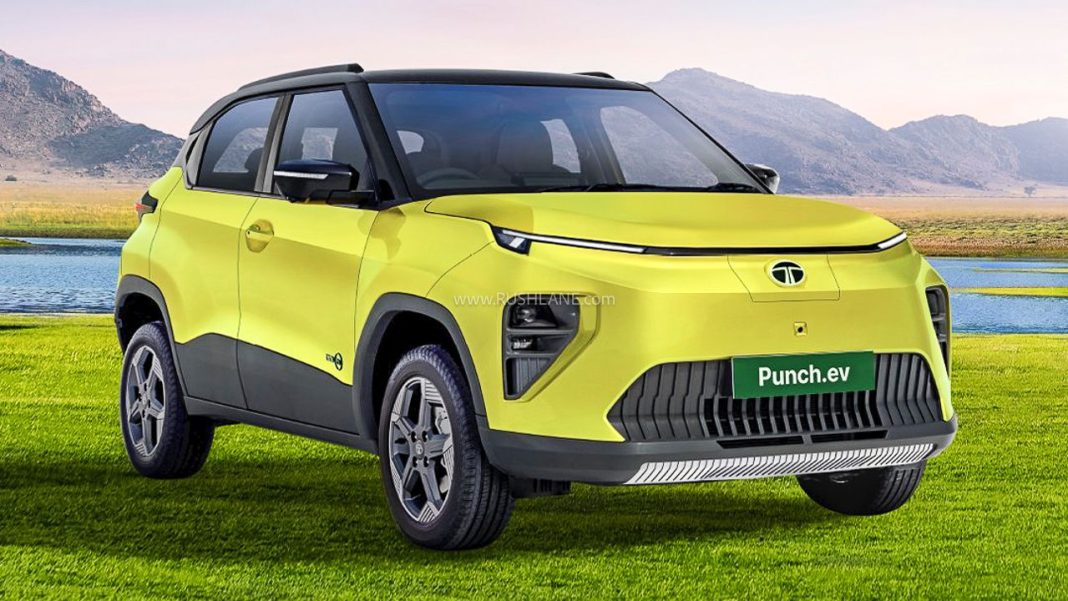
The Indian electric vehicle (EV) market is buzzing with excitement as glimpses of the 2026 Tata Punch EV Facelift have surfaced, hinting at significant visual upgrades well ahead of its official launch. Tata Motors, a trailblazer in India’s EV segment, appears poised to further refine its popular electric micro-SUV, with early reveals highlighting a striking new colour option and refreshed alloy wheel designs that promise to elevate its road presence and appeal.
The Punch EV, since its introduction, has carved a niche for itself, offering an accessible entry point into electric mobility without compromising on practicality or design. This upcoming facelift underscores Tata’s commitment to continuously evolving its EV portfolio, keeping pace with consumer expectations and the rapidly advancing automotive design landscape. While comprehensive details remain under wraps, these initial visual cues provide a tantalizing preview of what’s to come for one of India’s most anticipated electric vehicles.
The Evolving Design Language: Visual Enhancements
The most immediate and eye-catching changes revealed for the 2026 Tata Punch EV Facelift are undoubtedly its exterior aesthetics. A prominent new colour, reportedly dubbed Aurora Green, stands out, signalling a bolder, more contemporary palette for the urban EV. This vibrant shade, likely featuring metallic or pearl finishes, aims to enhance the vehicle’s youthful appeal and distinguish it further in a competitive market.
Accompanying the fresh paintwork are redesigned alloy wheels. The leaked images suggest a more intricate and aerodynamic pattern, possibly dual-tone, diamond-cut designs that are not only aesthetically pleasing but might also contribute subtly to range efficiency. These new alloys are expected to complement the Punch EV’s robust stance, adding a touch of sophistication and modernity. Given Tata’s recent design direction, these wheels could feature intricate detailing, moving away from the simpler designs typically seen in its segment.
While the focus of these early reveals has been on colour and alloys, a typical facelift implies broader subtle refinements across the vehicle’s exterior. Enthusiasts are speculating about potential tweaks to the front fascia, possibly incorporating revised LED DRL signatures, a subtly reshaped grille element, or updated bumper designs that align more closely with Tata’s latest IMPACT 2.0+ design philosophy seen in models like the Nexon facelift. Minor updates to the rear taillight clusters or bumper might also be on the cards, ensuring a cohesive and contemporary visual identity from all angles. These enhancements aim to keep the Punch EV feeling fresh and relevant, reinforcing its position as a style statement in the electric micro-SUV category.
Beyond Aesthetics: Anticipated Powertrain and Interior Upgrades
While the new colour and alloys are the immediate highlights, a facelift often extends beyond superficial changes, hinting at comprehensive improvements under the hood and within the cabin. For the 2026 Tata Punch EV Facelift, industry watchers are keenly anticipating potential enhancements to its powertrain and battery technology. Though unconfirmed, a marginal increase in battery capacity or optimization of the electric motor could translate into a slightly extended range, addressing one of the primary concerns for EV buyers in India.
Faster charging capabilities, both AC and DC, would be a welcome addition, further reducing charging times and enhancing the vehicle’s practicality for daily commutes and longer journeys. Improvements in regenerative braking systems and overall energy management could also be part of the package, aimed at improving efficiency and driving dynamics. These technical refinements, if implemented, would solidify the Punch EV’s reputation for being a reliable and efficient urban commuter.
Inside the cabin, the facelift is likely to introduce a suite of technological and comfort upgrades. Expect to see an updated infotainment system, potentially a larger touchscreen display with enhanced connectivity features and a more intuitive user interface. Newer upholstery materials, revised dashboard layouts, and potentially more advanced creature comforts like ventilated seats or a wireless charging pad could be incorporated to elevate the premium feel. Furthermore, given the evolving safety standards and consumer expectations, there’s a strong possibility of advanced driver-assistance systems (ADAS) making their way into higher variants, offering features like lane-keeping assist, adaptive cruise control, or blind-spot monitoring.
“The continuous refinement of models like the Punch EV demonstrates Tata Motors’ proactive approach to maintaining its leadership in the Indian EV space,” commented an automotive analyst. “A strong design refresh coupled with incremental performance and feature upgrades is crucial for staying ahead in this rapidly evolving market and will certainly resonate with urban Indian buyers.”
The 2026 Tata Punch EV Facelift, with its visual refresh and anticipated underlying improvements, is poised to strengthen Tata Motors’ formidable presence in the Indian electric vehicle landscape. These early glimpses have successfully piqued the interest of potential buyers and enthusiasts alike, setting the stage for what promises to be another significant launch from the Indian automaker. As the official launch approaches, more details are expected to emerge, confirming the full extent of the upgrades and their impact on India’s burgeoning EV market.
The blend of refreshed aesthetics, potential performance enhancements, and modern features positions the updated Punch EV not just as a competent urban electric vehicle, but as a compelling statement of intent from Tata Motors – to innovate, iterate, and dominate the future of mobility in India.

