


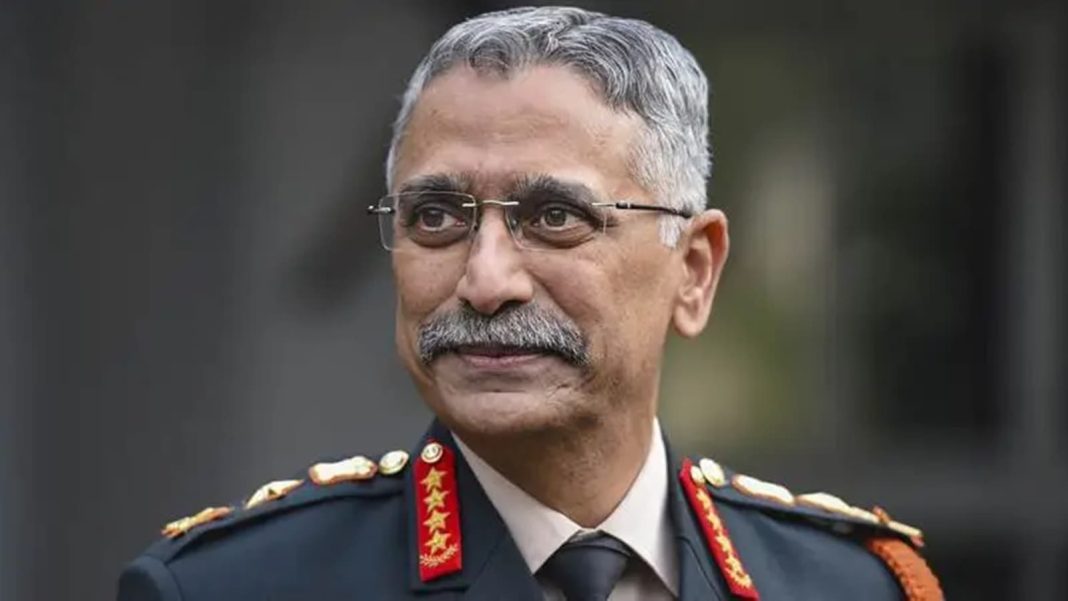
The Ministry of Defence (MoD) in India maintains a stringent policy for former military officials seeking to publish books, particularly those who have held sensitive positions. This protocol ensures that classified information remains protected and national security is not compromised. Between 2020 and 2024, the MoD successfully cleared 35 books authored by retired defence personnel, ranging from senior officers to various ranks. However, one prominent manuscript remains pending approval: the memoirs of former Chief of Army Staff, General Manoj Mukund Naravane.
This situation has drawn attention within defence circles and among observers, prompting questions about the review process and the specific nature of General Naravane’s manuscript. While the clearance of numerous other books demonstrates the system is functional, the prolonged delay for a former Army Chief’s account stands out, underscoring the delicate balance between transparency, historical record, and the imperatives of state secrecy.
The Scrutiny Process for Defence Publications
India’s defence establishment operates under well-defined guidelines when it comes to the publication of books by its former officials. These guidelines, often reiterated and refined, mandate that any serving or retired personnel wishing to publish on defence or security-related matters must seek prior clearance from the MoD. The primary objective is to prevent the inadvertent or intentional disclosure of classified information, operational details, strategic insights, or sensitive diplomatic exchanges that could potentially harm India’s national interest or international relations.
The review process typically involves multiple layers of examination. Manuscripts are scrutinised not only by the MoD itself but often also by relevant intelligence agencies, foreign policy experts, and sometimes even the Prime Minister’s Office, depending on the seniority of the author and the perceived sensitivity of the content. This meticulous process ensures that while veterans are free to share their experiences and insights, they do so responsibly, upholding the oath of secrecy they took during their service. The clearance of 35 other books over the past four years indicates that authors who navigate this process successfully can indeed bring their stories to the public, enriching the nation’s understanding of its defence history.
General Naravane’s Pending Manuscript: A Closer Look
General Manoj Mukund Naravane served as the 27th Chief of Army Staff from December 2019 to April 2022, a period marked by several historically significant and geopolitically sensitive events. His tenure witnessed the Galwan Valley clashes with Chinese forces in June 2020, a watershed moment in India-China relations, and the subsequent prolonged military stand-off along the Line of Actual Control. He also oversaw critical reforms and modernisation efforts within the Indian Army, including early discussions and preparations that would eventually lead to the Agnipath scheme for recruitment.
Given the weight of these events and Naravane’s direct involvement at the highest strategic level, his memoirs are anticipated to offer invaluable insights into India’s defence strategy, decision-making processes during crises, and the internal dynamics of the armed forces during a turbulent period. It is precisely the depth and sensitivity of these experiences that are believed to be the reason for the prolonged review. The MoD and associated agencies would likely be examining his narrative with extraordinary care, particularly sections pertaining to border disputes, international diplomacy surrounding these incidents, and the strategic implications of policy decisions.
“The memoirs of former service chiefs are invaluable historical documents, offering unique insights into national security decision-making. However, the process of vetting them is equally crucial to balance transparency with the imperatives of national security,” commented a New Delhi-based defence analyst, highlighting the inherent tension in such publications.
Balancing Historical Record with National Security
The situation surrounding General Naravane’s book underscores a perpetual challenge for nations globally: how to reconcile the public’s right to historical information and the importance of military memoirs in shaping national narratives, with the critical need to safeguard classified information and maintain state security. While the MoD’s role is undoubtedly to protect national interests, there is also an argument for timely disclosure, allowing future generations to learn from past experiences and decisions.
The delay for such a high-profile memoir inevitably fuels speculation. Some suggest the sheer volume of sensitive information in a former Army Chief’s account necessitates a more exhaustive review, while others ponder if certain perspectives or revelations are proving particularly contentious. Regardless, the outcome of this review will not only determine when General Naravane’s insights become public but also contribute to the ongoing dialogue about the parameters of free expression for retired defence personnel and the future of military historiography in India.
As the defence community awaits the MoD’s final decision, the case of General Naravane’s pending book serves as a potent reminder of the intricate interplay between military service, public memory, and national security protocols in India.

