


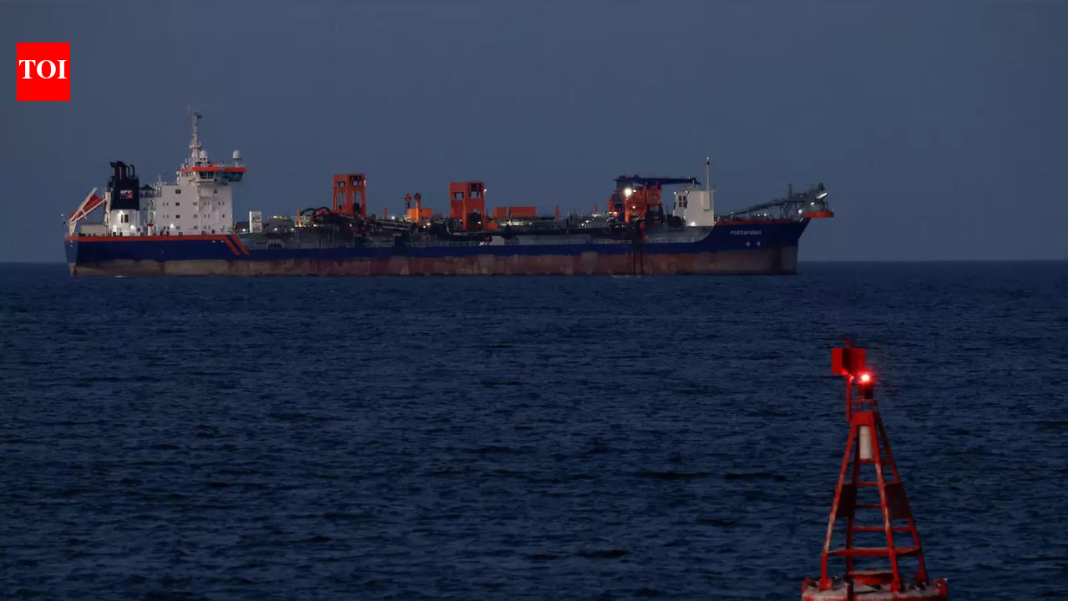
The Strait of Hormuz, a narrow yet profoundly strategic waterway, has once again been the epicentre of international maritime intrigue. Recent reports confirm the successful transit of two India-flagged tankers through this vital choke point, a development that brings a sigh of relief amidst heightened regional tensions. However, the narrative takes a sharper turn as Iran vehemently denies allegations of having received any ransom in exchange for the tankers’ passage or the release of their crews, insisting its actions were rooted in legal obligations.
For India, a nation heavily reliant on maritime trade and energy imports, the safe passage of its vessels through the Strait of Hormuz is paramount. The strait, through which roughly one-fifth of the world’s total oil consumption passes, is a critical artery for global energy supply. Any disruption here has far-reaching economic and geopolitical consequences, making the security of Indian shipping in these waters a constant priority for New Delhi.
Navigating the Strait: A Crucible of Geopolitics
The Strait of Hormuz, linking the Persian Gulf with the Arabian Sea and the broader Indian Ocean, is not merely a shipping lane; it is a geopolitical fault line. Its historical significance in global trade is matched by its contemporary role as a flashpoint in the rivalry between Iran and Western powers, particularly the United States. In recent years, the region has witnessed a troubling series of vessel seizures, drone attacks, and confrontations, underscoring the inherent risks for commercial shipping.
India, as a major stakeholder in the global energy market and a prominent maritime nation, finds itself navigating a complex diplomatic landscape. Its robust economic ties with Gulf nations, coupled with its historical relationship with Iran, necessitate a delicate balancing act. Ensuring the uninterrupted flow of trade and the safety of Indian seafarers in such a volatile environment remains a core objective of India’s foreign policy.
The St Nikolas Saga: Diplomatic Channels at Work
Central to the recent developments is the saga of the St Nikolas, an India-flagged oil tanker. The vessel became the subject of intense international scrutiny when it was seized by Iranian naval forces in January 2024 off the coast of Oman. Iran’s Revolutionary Guard Corps had stated the seizure was in response to alleged violations of maritime law, linking it to a previous incident involving the same vessel, then known as the Suez Rajan.
The Suez Rajan had been involved in a U.S. sanctions enforcement case where its oil cargo was confiscated by American authorities. Iran consistently maintained that the seizure of the St Nikolas was a retaliatory measure for the ‘theft’ of its oil by the United States, framing it as a legal rather than an arbitrary act. The immediate concern for India was the safety and swift release of the 18 Indian crew members onboard the St Nikolas, whose plight underscored the human element of these geopolitical contests.
Following weeks of intense diplomatic engagement by India’s Ministry of External Affairs (MEA), including regular contact with Iranian authorities and the Indian Embassy in Tehran, the crew members were eventually released. Subsequently, the vessel itself was cleared, paving the way for its recent, and crucial, passage through the Strait of Hormuz. The fact that two India-flagged vessels have now cleared the strait signifies a positive step towards de-escalation concerning Indian shipping interests.
Iran’s Firm Denial of Ransom Claims
Amidst the relief over the tankers’ safe passage, questions arose internationally regarding the terms of their release. Speculation mounted in some quarters about potential financial settlements or ‘ransom’ payments. However, Iranian officials have been unequivocal in their denial of such claims.
“The release of vessels and crews involved in legal disputes in our waters is a matter of judicial process, not negotiation over ransom,” a spokesperson for Iran’s Foreign Ministry reportedly stated, underscoring Tehran’s consistent position. The Iranian government has repeatedly asserted that its actions against vessels, including the St Nikolas, are taken in response to specific alleged infringements of maritime regulations or as counter-measures against perceived illegal actions by other states, particularly the U.S. These denials aim to reinforce Iran’s narrative of acting within its sovereign and legal rights, rather than engaging in coercive tactics for monetary gain. This distinction is crucial for Iran’s image on the international stage, especially as it navigates stringent international sanctions.
The safe passage of these Indian-flagged tankers through the Strait of Hormuz marks a significant positive development for India’s maritime trade and the security of its seafarers. While the immediate crisis concerning these specific vessels appears to have subsided, the broader geopolitical tensions in the region remain palpable. India’s ability to maintain constructive diplomatic channels with all parties involved, securing its vital interests while navigating a complex web of international relations, will continue to be a cornerstone of its strategic approach in this critical global artery.

