


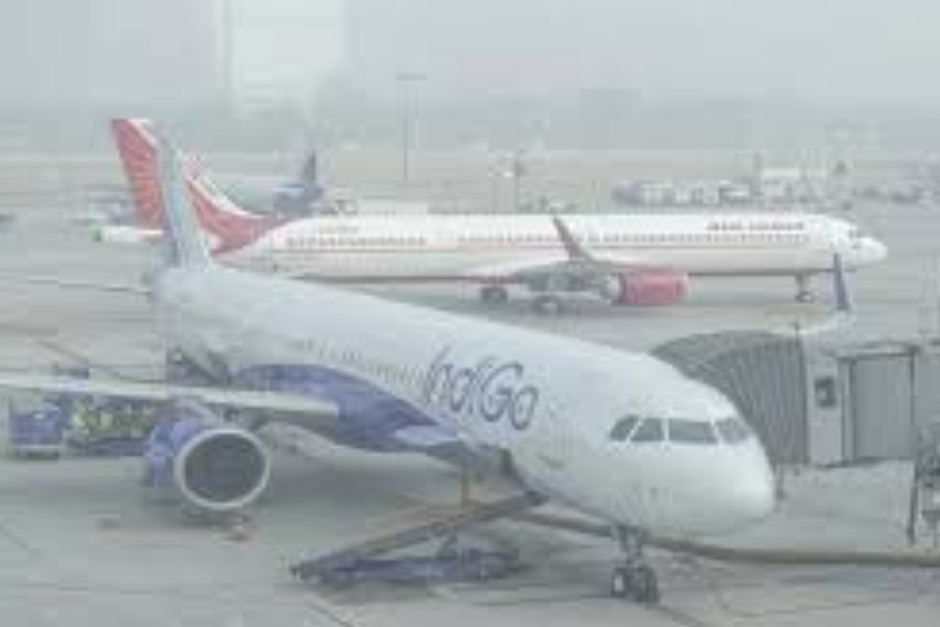
New Year travel plans for thousands of passengers across India were thrown into disarray as dense fog enveloped Delhi, leading to significant disruption at Indira Gandhi International Airport (IGIA). The capital’s infamous winter fog caused the cancellation of an astounding 150 flights, with over 250 others experiencing substantial delays. The cascading effect of these disruptions rippled through the nation’s air traffic network, leaving countless travellers stranded and frustrated during a peak holiday season.
The thick blanket of fog, which reduced visibility to near zero in the early morning hours, particularly affected operations on crucial domestic and international routes. Airlines struggled to maintain schedules, prompting widespread cancellations and rerouting, much to the chagrin of passengers hoping for a smooth start to their New Year festivities. The situation underscored the recurring challenges posed by adverse weather conditions to India’s bustling aviation sector, especially during the harsh northern winter.
The Fog’s Relentless Grip on Delhi’s Airspace
The severe weather conditions forced IGIA, one of the busiest airports in the world, to operate under low visibility procedures for extended periods. While the airport is equipped with advanced CAT III B Instrument Landing System (ILS), which allows flights to land with a runway visual range (RVR) of just 50 metres, the sheer density and persistence of the fog made even these sophisticated systems challenging to navigate. Many aircraft, particularly those not CAT III B compliant or with pilots not certified for such landings, were unable to operate.
The majority of the cancelled flights were domestic, impacting popular routes connecting Delhi to major cities like Mumbai, Bengaluru, Kolkata, and Chennai. International flights also faced considerable delays, with several diverted to alternative airports such as Jaipur and Lucknow, creating further logistical nightmares for airlines and passengers alike. The ripple effect was palpable, as grounded aircraft at Delhi could not depart for their subsequent destinations, leading to a domino effect of delays across multiple hubs.
Passenger Woes and Airline Responses
The scene at IGIA terminals was one of palpable frustration. Thousands of passengers, many with families and young children, were left waiting for hours, often with limited information. Display boards flashed ‘delayed’ or ‘cancelled’, but clear communication regarding rebooking options, accommodation, or meal vouchers was often slow to materialise. The New Year rush meant hotels around the airport were quickly booked, adding to the predicament of stranded travellers.
Airlines, while citing safety as their paramount concern, faced immense pressure to manage the crisis. Many offered rescheduling without additional charges or full refunds for cancelled flights. However, the sheer volume of affected passengers meant that securing alternative flights, especially on short notice and during a peak period, proved to be an uphill battle. “My family’s New Year celebration in Goa has been ruined. We’ve been waiting for hours with no clear update,” remarked Priya Sharma, a stranded passenger at Terminal 3. “We were supposed to depart at 7 AM, and now it’s past noon with no new flight in sight.” Airport authorities advised passengers to check with their respective airlines for updated flight information before heading to the airport, a standard advisory that became critically important in this fluid situation.
Navigating the Disruption: A Persistent Challenge
The recent chaos serves as a stark reminder of the persistent challenge that winter fog poses to air travel in northern India. While investments in technology like CAT III B ILS have significantly improved operational capabilities, there remains a critical vulnerability when visibility drops below even these stringent thresholds. The economic impact of such disruptions is considerable, affecting not just airlines and airports but also tourism, business travel, and cargo operations.
For passengers, the experience highlights the importance of travel insurance and maintaining flexibility in holiday plans during volatile weather periods. As Delhi continues to grapple with its annual winter fog, both aviation stakeholders and travellers must prepare for potential disruptions. The current incident, with its significant flight cancellations and delays, underscores the complex interplay between weather phenomena, technological capabilities, and the sheer volume of demand in India’s rapidly expanding aviation sector.
As the New Year unfolds, the aviation industry remains on high alert, hoping for clearer skies even as the threat of further fog-induced disruptions looms large over the coming weeks of winter.

